
Storage in the UAE
Jewellery Safe or Bank Deposit Box: Where Should Dubai Owners Keep Valuables?
Dubai households own more gold and fine jewellery per capita than almost anywhere else. That raises a very practical question: keep it at home in a certified jewellery safe, or lock it away in a bank vault across town? The right answer depends on how often you wear the pieces, how much they are worth, and what your insurer will actually cover.
The trade-off in one view
Two very different security models
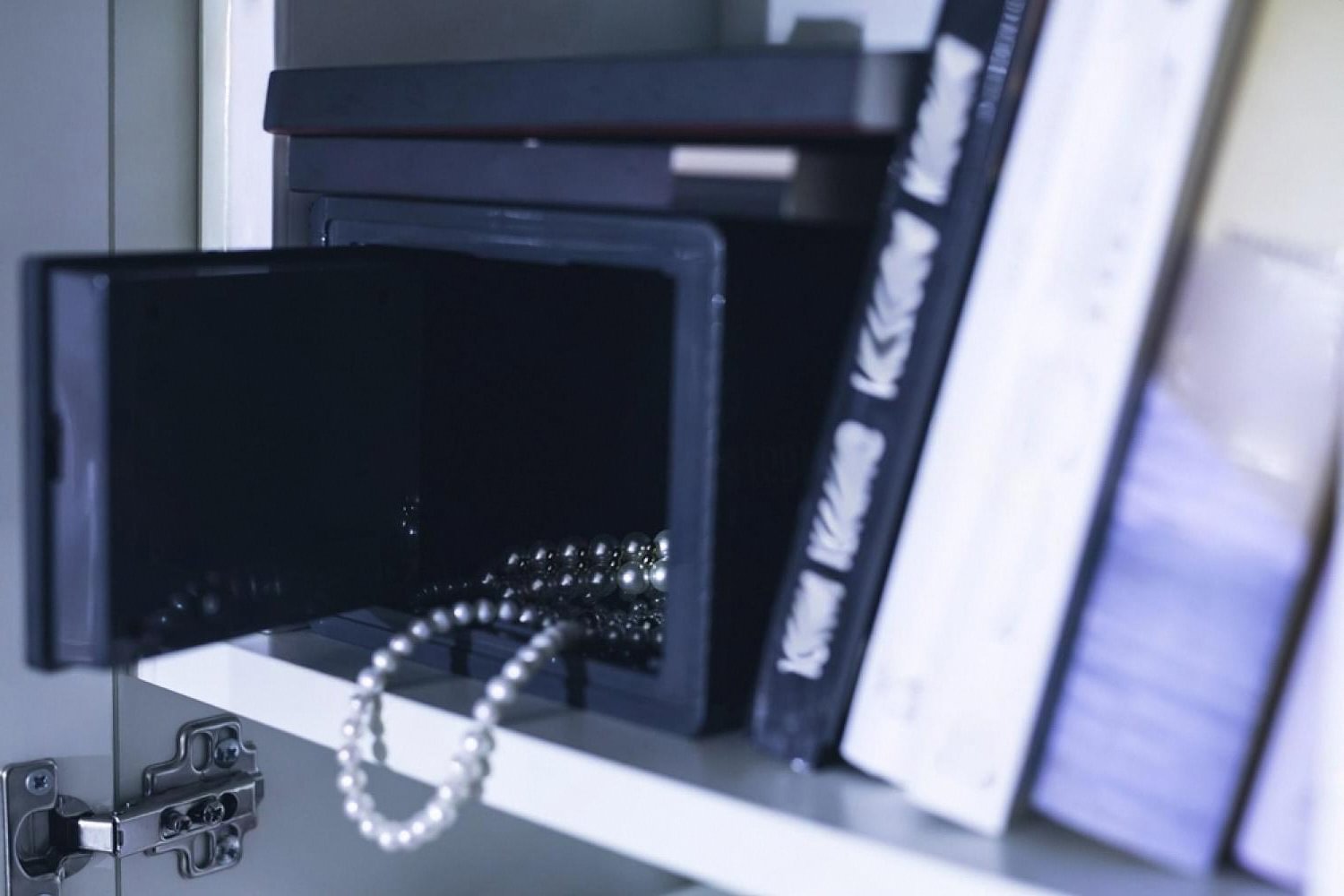
A bank safety deposit box hides your valuables behind layered institutional security: guards, vault doors, surveillance and dual-key control. A high-end home safe puts that responsibility on you, but keeps the pieces within reach for a dinner at DIFC or a wedding in Jumeirah. Neither is universally better. The comparison below is how most Dubai owners end up thinking about it.
Home jewellery safe: strong for
- Instant access at any hour, no branch visit
- Everyday and weekly-wear pieces
- Discreet storage without paperwork trails
- Full personal control over inventory
- Integration with home alarm and CCTV
Bank safety deposit box: stronger for
- Very high-value or heirloom pieces you rarely wear
- Owners who travel often and leave homes empty
- Documented storage useful for probate and Sharia inheritance matters
- Protection against household fire, flood or burglary
- Institutional-grade physical security
What the numbers actually mean in Dubai
Bank safe deposit services in the UAE are offered by lenders such as Emirates NBD, Mashreq, HSBC and Standard Chartered, with annual rental fees that typically start around AED 1,500 for a small box and climb well past AED 7,000 for larger sizes. Most banks also ask for a refundable key deposit. Access is limited to branch working hours, and you will need to book an appointment at some branches, particularly for the larger vaults in DIFC and on Sheikh Zayed Road.
A quality home safe is a one-time purchase. Entry-level fireproof cabinets sit in the low four figures in dirhams, while a certified luxury jewellery safe from a maker like Agresti runs into five or six figures depending on grade, finish and interior fittings. What matters for insurance is not the price tag but the certification, usually the European standard EN 1143-1, which assigns a grade from 0 through VI based on how long the safe resists a documented attack. Insurers in the UAE typically require a specific minimum grade before they will underwrite a given sum insured. If you plan to keep AED 500,000 of jewellery at home, expect to be asked for at least a Grade III safe, bolted down and monitored.
According to the World Gold Council UAE households remain among the largest per-capita buyers of gold jewellery worldwide, which is one reason both banks and specialist retailers in Dubai take storage seriously. The Dubai Police have also run repeated awareness campaigns urging residents to avoid keeping large amounts of cash and gold loose at home, particularly during long summer travel periods.
Laws, declarations and what UAE regulators expect
There is no UAE law that forces you to store jewellery in a bank, and no requirement to declare pieces you already own to any authority simply because you have them at home. What the law does regulate is movement and origin. Bringing gold or high-value jewellery into the UAE above the customs threshold requires declaration at the airport, and dealers licensed under the DMCC and the Ministry of Economy must apply anti-money-laundering checks on high-value cash purchases under the country’s AML framework. Keep original invoices, valuation certificates and any GIA or DMCC assay documents, both for insurance and to prove clean origin if it is ever questioned.
Bank safety deposit boxes in the UAE are governed by the general contract law between you and the bank, plus Central Bank consumer protection rules. Banks will not open a box without your presence and will not ordinarily inventory the contents, but the rental agreement usually prohibits storing cash, weapons, illegal items or hazardous materials. In inheritance situations, boxes are typically sealed on notification of the holder’s death and only opened under a court or notary process, which is worth planning for under UAE succession rules, particularly if you have a registered DIFC will.
Home safes carry no special licensing requirement. You can install one freely, including a wall-embedded model behind a wardrobe or a floor safe set into a concrete slab. Landlords in Dubai often ask for written consent before any structural modification, so if you rent, get approval in writing before you cut into a wall. For owned villas and apartments, the only real constraint is the building’s structural drawings and, in some communities, the master developer’s rules.
Where to go from here
Split the collection
Everyday pieces in a certified home safe, heirloom and investment-grade items in a bank box. Most Dubai owners with mixed collections settle on this hybrid.
Match the grade to the value
Ask your insurer for the required EN 1143-1 grade before buying. A safe that is one grade too low can invalidate a claim entirely.
Document everything
Photograph each piece, keep valuations under three years old, and store copies in the cloud. This helps with insurance, customs and succession.
Bottom line
There is no single winner, only a right mix
If you wear your jewellery, a properly certified home safe pays for itself in convenience within a year or two. If you own significant heirloom or investment pieces you rarely touch, a bank box is worth the annual rental. Most households in Dubai use both, and align the split with what their insurer will actually cover in writing.
Frequently asked questions
Do I have to declare jewellery I keep at home in the UAE?
No. There is no ongoing declaration requirement for jewellery you already own and keep in your home. Declarations apply when you bring valuables into the country above the customs threshold, or when a licensed dealer conducts a high-value transaction under UAE anti-money-laundering rules.
That said, keeping original invoices, valuation certificates and hallmark documents is strongly recommended. They support insurance claims and prove clean origin if the pieces are ever questioned by customs or a bank.
How much does a bank safety deposit box cost in Dubai?
Annual fees typically start around AED 1,500 for a small box and rise past AED 7,000 for larger sizes, depending on the bank and branch. Emirates NBD, Mashreq, HSBC and Standard Chartered are among the providers with vault services in the UAE.
You will usually also pay a refundable key deposit, and some banks require you to hold a current account with them. Access is limited to branch working hours.
Can I install a safe inside a wall in my Dubai apartment?
Yes, wall-embedded and floor safes are both legal and common in the UAE. There is no special licence needed to own or install one.
If you rent, your tenancy contract will almost always require the landlord’s written consent before any structural modification. Get that approval in writing, and use a professional installer who can restore the wall to its original state at the end of the tenancy.
Will my home insurance cover jewellery kept in a safe?
Usually yes, but with conditions. UAE home insurers set a sum insured for jewellery and often require a certified safe, typically graded under the European standard EN 1143-1, matched to the value stored. Higher values need higher grades.
They may also require the safe to be bolted down, linked to a monitored alarm, and supported by up-to-date valuation certificates. Read the policy carefully, since a safe that is one grade below what is stipulated can void a claim.
What happens to a bank safety deposit box if the holder passes away?
The bank seals the box as soon as it is notified of the holder’s death. It is only opened again under a court order or through a notarised inheritance process, following either UAE Sharia-based succession or the terms of a registered will, such as a DIFC Wills Service Centre will for non-Muslims.
Planning ahead with a valid will and clear inventory records makes the eventual transfer much smoother for the family.
Is a home safe safer than a bank vault in Dubai?
In pure physical terms, a bank vault is stronger. It has layered guards, surveillance, dual-key control and construction that no domestic safe can match.
However, a top-grade certified home safe, bolted down and connected to a monitored alarm, is more than enough for most everyday collections. The right question is not which is stronger in the abstract, but which matches the value of the pieces and how often you actually wear them.
Does a home safe need maintenance?
Yes, though it is light. Electronic locks should have batteries replaced on schedule, hinges and bolts benefit from occasional lubrication with a dry product, and the interior should be kept dry. In Dubai’s humidity, a small silica gel pack inside the safe helps protect metals and silks.
Have the lock serviced by the manufacturer or an approved technician every few years, and keep the master override key in a separate secure location, never inside the safe itself.
Hello! My name is Michael Thompson, and I am an entrepreneur from Canada who opened my business in Dubai. The UAE is known for its dynamic economy, favorable environment for investors, and innovative business landscape. After many years of dreaming about my own business, I decided and launched my company here.